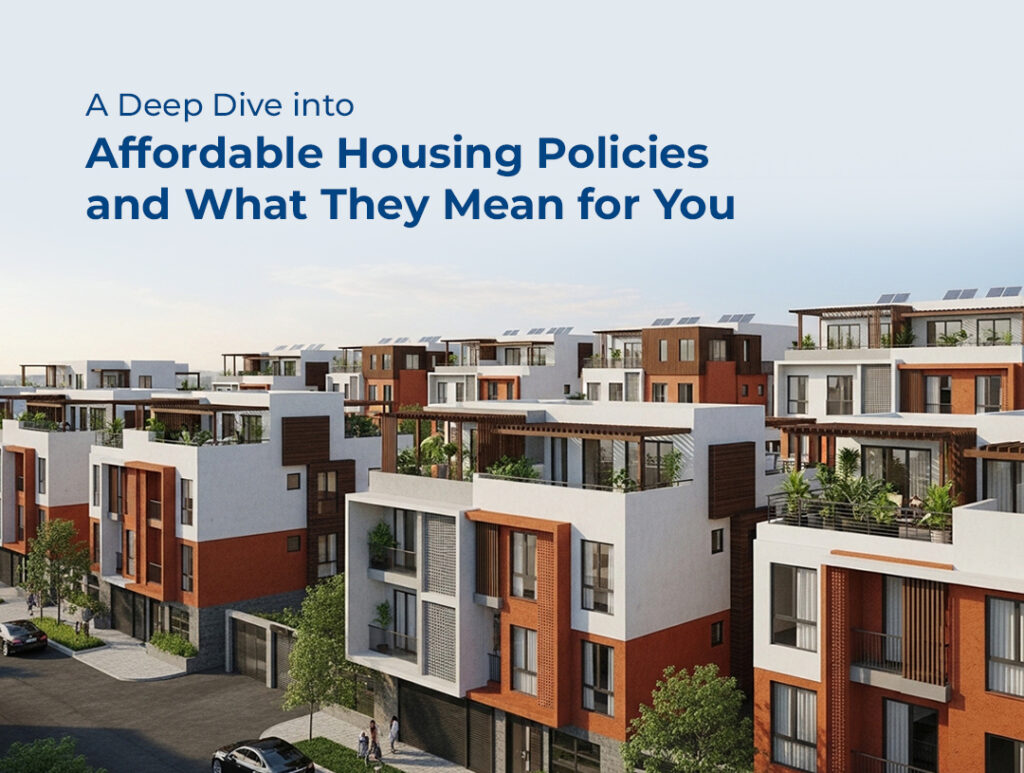
Housing is more than shelter; it is stability, dignity, and a foundation for economic growth. Yet for millions of Nigerians, especially in fast-growing cities like Lagos, affordable housing remains out of reach. Rising construction costs, rapid urbanisation, limited access to mortgage financing, and weak infrastructure have widened the housing gap, pushing homeownership further away from the average citizen.
This is where affordable housing policies come in. These policies are designed to bridge the gap between income levels and housing costs, but what do they really mean in practice, and how do they affect you as a resident, renter, investor, or developer?
What Are Affordable Housing Policies?
Affordable housing policies are government-led frameworks and incentives aimed at ensuring that low- and middle-income earners can access safe, decent, and reasonably priced housing without spending an excessive portion of their income.
In Nigeria, these policies typically focus on reducing housing costs, encouraging private sector participation, improving access to housing finance, expanding urban housing supply, and supporting large-scale residential developments. For Lagos, a city projected to become one of the world’s largest megacities, affordable housing is not optional. It is a necessity.
Why Affordable Housing Is a Critical Issue in Lagos
Lagos attracts thousands of new residents every day, driven by economic opportunity. However, housing supply has not kept pace with demand. The result?
· Overcrowded living conditions
· Rising rents
· Growth of informal settlements
· Increased commuting times
· Pressure on infrastructure and public services
Affordable housing policies are designed to stabilise the housing market, reduce inequality, and create liveable communities, not just buildings.
Key Affordable Housing Policy Approaches in Nigeria
1. Public–Private Partnerships (PPPs)
The government alone cannot solve the housing deficit. PPPs allow private developers to collaborate with the government by providing land, infrastructure, or incentives, while
developers deliver housing at controlled prices. For residents, this can mean better-planned estates, reduced unit costs, and improved infrastructure access. For developers and investors, it reduces risk and improves project viability
2. Mortgage and Housing Finance Reforms
Access to long-term, low-interest mortgage financing remains one of Nigeria’s biggest housing challenges. Affordable housing policies often aim to expand mortgage access, encourage cooperative housing schemes, and strengthen housing finance institutions. While progress is gradual, these reforms are essential for turning renters into homeowners over time.
3. Land Use and Planning Reforms
Land acquisition and title documentation are major cost drivers in Lagos. Affordable housing policies increasingly focus on faster land titling, clearer planning approvals, and reduced bureaucratic bottlenecks. When land access becomes easier and more transparent, housing prices naturally reduce, which is a win for both developers and buyers.
4. Incentives for Developers
To encourage affordable housing supply, governments may offer tax reliefs, reduced approval fees, infrastructure support, and density bonuses. These incentives help developers deliver units at lower price points without sacrificing quality.
What Affordable Housing Policies Mean for You
If You’re a Renter
Affordable housing policies can help stabilise rental prices, improve living conditions, and increase the availability of well-planned residential options closer to employment hubs.
If You’re a First-Time Homebuyer
These policies may open doors to lower entry prices, flexible payment structures, cooperative ownership models, and access to structured financing. Although it’s not perfect, they represent a pathway into homeownership that didn’t exist before.
If You’re an Investor
Affordable housing is not low value; it is high demand. With Lagos’ growing population, well-executed affordable housing developments offer strong occupancy rates, stable rental income, and long-term capital appreciation. Policy-backed projects also reduce regulatory and market risks.
If You’re a Developer
Affordable housing policies provide frameworks to build at scale, reduce costs, and access institutional support, making large residential projects more feasible and impactful.
The Role of Urban Planning and Regeneration
Affordable housing works best when paired with urban regeneration. Revitalising underutilised areas within the city reduces land costs, improves infrastructure efficiency, and places residents closer to jobs and services, lowering overall living expenses. This integrated approach is key to sustainable housing delivery in Lagos.
Challenges Still Facing Affordable Housing Policies
Despite good intentions, several hurdles, such as funding gaps, rising construction material costs, weak implementation, infrastructure deficits, and limited awareness among citizens. Addressing these challenges requires stronger collaboration between government, private developers, financial institutions, and technology-driven real estate platforms.
Conclusion
Affordable housing policies shape the future of our cities and determine who gets to participate in urban growth. In Lagos and across Nigeria, these policies are critical tools for economic inclusion, social stability, and sustainable development. When done right, affordable housing doesn’t just provide homes, it builds communities, unlocks opportunity, and strengthens the economy.
We believe the future of real estate lies in smart planning, inclusive development, and innovative housing solutions that respond to real people and real challenges. Understanding housing policies is the first step toward making informed decisions, whether you’re renting, buying, building, or investing.